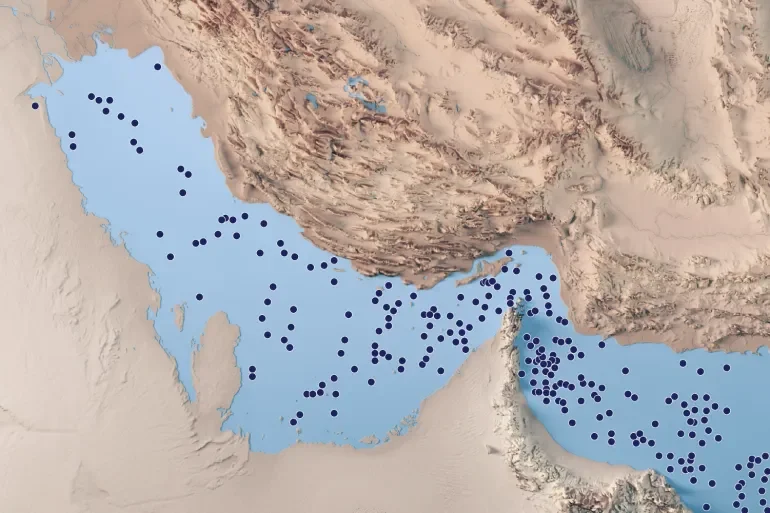
More than 500 ships have passed through the Strait of Hormuz since the United States and Iran signed a memorandum of understanding on June 17.
The narrow waterway, which links the Gulf to the Gulf of Oman and the open sea, is one of the world's most important routes for oil and gas shipments. A significant share of the world's seaborne oil passes through it, making any disruption a concern far beyond the region.
The memorandum was widely seen as an attempt to reduce tensions that had unsettled shipping companies, insurers and energy markets.
“Shipowners want predictability more than anything, and every quiet week helps rebuild confidence in the route.”
Since the agreement was signed, maritime monitors and regional navies have been watching closely for any signs of renewed disruption to traffic.
“Shipowners want predictability more than anything, and every quiet week helps rebuild confidence in the route,” said one maritime security consultant.
Insurance costs for vessels operating in the region remain a key indicator of how risky the industry believes the passage to be.
Analysts caution that the memorandum is a framework rather than a comprehensive settlement, and that significant disagreements between Washington and Tehran remain.
Energy traders have kept a close eye on the strait, as even minor incidents can push up oil prices and freight rates. Some shipping companies had previously rerouted or delayed voyages during periods of heightened tension.
Gulf governments have generally welcomed steps that lower the risk of confrontation in waters vital to their economies.
Attention now turns to whether further talks can build on the memorandum, and whether shipping volumes hold steady in the months ahead.